Japanese new year decorations kadomatsu images are available in this site. Japanese new year decorations kadomatsu are a topic that is being searched for and liked by netizens today. You can Get the Japanese new year decorations kadomatsu files here. Download all royalty-free photos and vectors.
If you’re looking for japanese new year decorations kadomatsu pictures information linked to the japanese new year decorations kadomatsu keyword, you have come to the ideal site. Our site frequently provides you with suggestions for viewing the maximum quality video and picture content, please kindly hunt and locate more informative video articles and images that fit your interests.
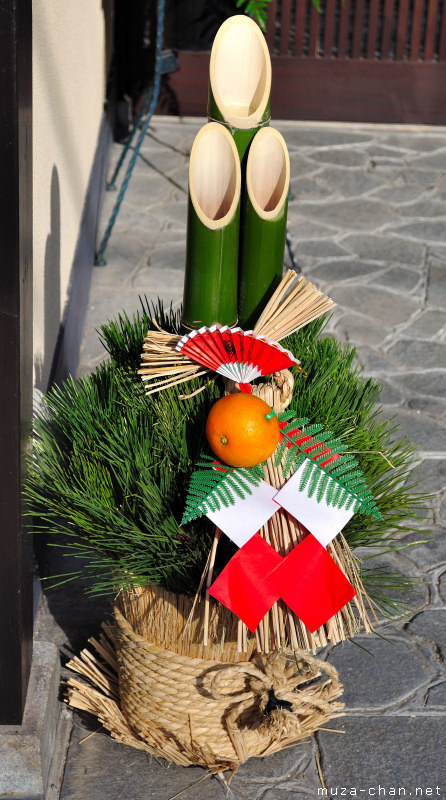
Kadomatsu (門松, “gate pine”) is a traditional japanese decoration for the new year. Once you know the meaning, i’m sure you will find the oshogatsu decorations around town even more interesting! Only, once all these preparations have been completed can the decorating of a living space for the japanese new year begin. Kadomatsu usually consist of three bamboo poles of different lengths which are cut diagonally. First, at the gate of the house, or at the door if they don´t have a gate, you see a pair of bamboo/pine leaves ornaments.
Japanese New Year Decorations Kadomatsu. Pine branches, and a plum. They are placed after christmas until january 7 (or january 15 during the edo period) and are considered temporary housing (shintai) for kami. The first day of january became the official new year’s day since five years after the meiji restoration. The word sechi comes from sechinichi, or a day representing the turning of a season.
 Decorations for Shogatsu, new year days. Japanese new From pinterest.com
Kadomatsu is a decoration with three cut pieces of bamboo and pine for the japanese new year’s holiday. It means that you can decorate the kadomatsu after dec. In japan, some people yell ‘happy new year’ at busy shopping areas at midnight and also some people start to visit shrines to pray for new year wishes starting at midnight and going into january 1st. The new year’s holiday in japan is often called shogatsu or oshogatsu and is celebrated from january 1st to 3rd. All across japan, during the new. This workshop is sold out.
This is set at the entrance of the house as a sign for the new year god (toshigami / 年神) to come down from the sky.
Kadomatsu usually consists of 3 bamboo stems which represent heaven, earth, and man; Pine branches, and a plum. The two decorations on the ground are kadomatsu (門松, literally ‘pine gate’). Between christmas and january 7th, on both sides of the entrance doors you will notice in japan kadomatsu 「門松」, “gate pines, a beautiful new year traditional japanese decoration made to welcome the kami, especially the kami of the harvest. The next year is a year of wild boar in chinese astrology. They are placed after christmas until january 7 (or january 15 during the edo period) and are considered temporary housing for kami.designs for kadomatsu vary depending on region but are typically made of.
 Source: pinterest.com
Since we often don’t have access to japanese family life, the decorations put up by shops and temples are the best (and often only) way for us to learn about japanese new year’s decorations. During shougatsu, japanese houses are decorated with new year ornaments. Kadomatsu always come in pairs. Designs vary depending on region but they are typically made of bamboo and pine. ( literally “gate pine”) is a traditional japanese decoration of the new year placed in pairs in front of homes to welcome ancestral spirits or kami of the harvest.
 is a traditional") Source: pinterest.com
Source: pinterest.com
Pine is considered lucky because it remains green in winter. Kadomatsu are an integral part of the japanese new year’s celebrations. (opens in new window) click to email this to a friend (opens in new window) kadomatsu by designer toru tanaka / photo by jonathan ley. Kadomatsu are traditional new year decorations made of pine and/or bamboo sprigs, placed in pairs (representing male and female) in front of homes to welcome the shinto gods. “kadomatsu” should be out during the “matsu no uchi”, meaning the new year week.
 Source: pinterest.com
During shougatsu, japanese houses are decorated with new year ornaments. We’ll share how japanese people celebrate the new year with unique japanese new year activities, culture and traditions. 29 is considered a bad luck day in our culture because of the number 9. Usually the kadomatsu is made from 3 bamboo strains. This is set at the entrance of the house as a sign for the new year god (toshigami / 年神) to come down from the sky.
 Source: pinterest.com
Designs vary depending on region but they are typically made of bamboo and pine. They are all bound together and placed at each side of the main gate to a house, shop, or building and are believed to act as yorishoro, poles or antennae on which. Kadomatsu is made from 3 diagonally cut bamboo pieces of different sizes and pine or ume twigs tied together with a straw rope. Between christmas and january 7th, on both sides of the entrance doors you will notice in japan kadomatsu 「門松」, “gate pines, a beautiful new year traditional japanese decoration made to welcome the kami, especially the kami of the harvest. The two decorations on the ground are kadomatsu (門松, literally ‘pine gate’).
 Source: pinterest.com
All across japan, during the new. The three new year�s ornaments to attract good luck in japan. Kadomatsu is a decoration with three cut pieces of bamboo and pine for the japanese new year’s holiday. Usually two pines (forming a gate) are placed on either side of the front door right after christmas until january 7th. For foreigners, these public decorations are very interesting.
 Source: pinterest.com
In japan, it has believed. The wreath is similar to kadomatsu. In japan, it has believed. “kadomatsu” should be out during the “matsu no uchi”, meaning the new year week. Since 1873, the official japanese new year has been celebrated according to the gregorian calendar, on january 1 of each year, new year�s day (元日, ganjitsu).however, some traditional events of the japanese new year are partially celebrated on the first day of the year on the modern tenpō calendar, the.
 Source: pinterest.com
Pine branches, and a plum. Decorative items used for the japanese new year kadomatsu. After christmas, you will see this decoration at the entrances of houses and buildings in japan. See more ideas about japanese new year, new years decorations, newyear. New year’s is the most important holiday in japan and focuses on tradition and family.
 Source: pinterest.com
Traditional japanese new year decorations. Designs vary depending on region but they are typically made of bamboo and pine. After christmas, you will see this decoration at the entrances of houses and buildings in japan. It’s placed there for good luck in the new year. The first day of january became the official new year’s day since five years after the meiji restoration.
 Source: pinterest.com
Kadomatsu is made from 3 diagonally cut bamboo pieces of different sizes and pine or ume twigs tied together with a straw rope. Pine is in both decorations. Japanese new year decoration, kadomatsu for shogatsu, the new year celebrations, the building entrances are decorated with two types of ornaments. Once you know the meaning, i’m sure you will find the oshogatsu decorations around town even more interesting! This workshop is sold out.
 Source: pinterest.com
Between christmas and january 7th, on both sides of the entrance doors you will notice in japan kadomatsu 「門松」, “gate pines, a beautiful new year traditional japanese decoration made to welcome the kami, especially the kami of the harvest. 13th, or after the 13th, matsu (pine bough) for kadomatsu is picked from the mountain or woods. The two decorations on the ground are kadomatsu (門松, literally ‘pine gate’). The japanese new year (正月, shōgatsu) is an annual festival with its own customs. The new year’s holiday in japan is often called shogatsu or oshogatsu and is celebrated from january 1st to 3rd.
 Source: pinterest.com
The kadomatsu is a decorative element that is placed by the main entrance of the home. Kadomatsu, japanese new year decorations. 29 is considered a bad luck day in our culture because of the number 9. Pine is in both decorations. It means that you can decorate the kadomatsu after dec.
This site is an open community for users to share their favorite wallpapers on the internet, all images or pictures in this website are for personal wallpaper use only, it is stricly prohibited to use this wallpaper for commercial purposes, if you are the author and find this image is shared without your permission, please kindly raise a DMCA report to Us.
If you find this site beneficial, please support us by sharing this posts to your preference social media accounts like Facebook, Instagram and so on or you can also bookmark this blog page with the title japanese new year decorations kadomatsu by using Ctrl + D for devices a laptop with a Windows operating system or Command + D for laptops with an Apple operating system. If you use a smartphone, you can also use the drawer menu of the browser you are using. Whether it’s a Windows, Mac, iOS or Android operating system, you will still be able to bookmark this website.


